How to Do a Family Photo Shoot at Home: Outfits, Backdrop, and Timing
Professional family photo shoots cost $200-800 and require you to get everyone dressed, transported, and cooperative at the same time. A home shoot costs nothing, can happen when the light is good and the kids are in a decent mood, and often produces more authentic photos than a studio ever could.
This guide covers everything: what to wear, how to create a backdrop, when to shoot, and how to actually get usable photos when your subjects are under 10 and allergic to staying still.
Why Home Photo Shoots Work Better Than You Think
The best family photos capture who you actually are, not who you are when performing for a camera on a beach you drove 45 minutes to reach. Home photos have context — the living room you painted together, the backyard where the kids have spent every summer, the kitchen that's the actual center of your family's life.
With the right lighting, outfit coordination, and a few setup choices, your home shoot can look as polished as a professional session — and the kids are usually more comfortable, which means better expressions, less crying, and more genuine laughter.
Step 1: Choose Your Outfits (The Most Important Decision)
Outfits determine 60% of how a photo looks. The same family, same location, same light — in cohesive, bold outfits vs. whatever everyone grabbed — will look completely different. Here's what works:
The Coordination Formula
- Pick a palette, not a matching set. 2-3 colors maximum. Everyone wears something in those colors without wearing identical pieces.
- One bold piece per person. A pop art graphic tee as the focal point, complemented by neutrals or simpler pieces on the bottom.
- Avoid white on small kids (it reads as a challenge — something will get on it before the shoot starts).
- Solid bottoms always work. When tops are graphic/bold, keep pants, skirts, and shorts solid and simple.
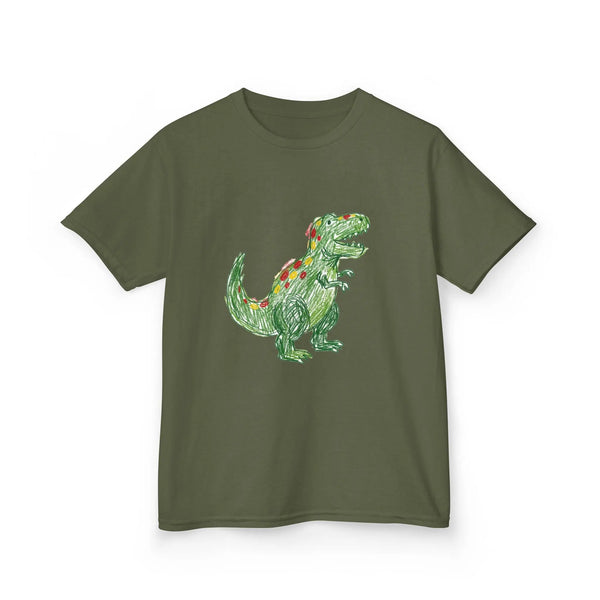
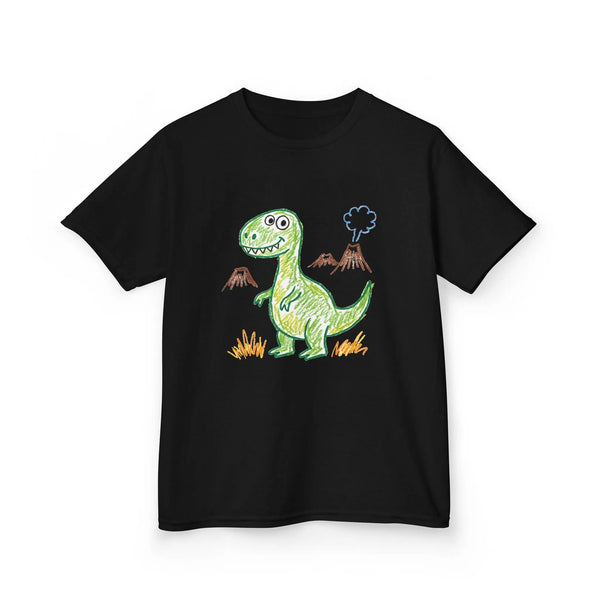
Family matching tees from House of Poco Loco are particularly effective for home shoots because the pop art graphics photograph with strong visual punch against both light and dark backgrounds. Same print, different sizing — the visual cohesion reads immediately in photos.
Colors That Photograph Best at Home
- Bold, saturated colors (red, yellow, navy, forest green) hold their vibrancy in photos and contrast well against typical home backgrounds.
- Avoid neon — it tends to blow out and create color casts on skin.
- Avoid all-white — requires perfect exposure and shows every crease.
- Black works beautifully and photographs cleanly in virtually any setting.
Step 2: Find Your Light
Light is the single most important technical element of any photo, and your home has the best light source available: windows.
The Golden Hour (Indoors)
The hour after sunrise and the hour before sunset cast warm, directional light through windows. This is when home shoots look professional. The light is soft, golden, and flattering. If you can coordinate a morning shoot (difficult with kids, but try), the light is almost always better than afternoon direct sun.
The Window Setup
Position your family so the biggest window is to the side (not behind them). This creates directional light with soft shadows — the same lighting setup a professional photographer would use with a studio strobe. Stand 3-6 feet from the window for the best effect.
Overcast Outdoor = Perfect Light
If you have outdoor space, shoot on a slightly overcast day. Clouds act as a giant diffuser, giving you even, flattering light without harsh shadows. This is the "professional photographer's favorite weather" for a reason.
Step 3: Create a Simple Backdrop
Your home's natural backgrounds are almost always enough — you don't need a special setup. What to look for:
Best Natural Backdrops
- A clean wall — painted in a single color, uncluttered. Warm neutral or bold color both work.
- Stairs — great for getting the whole family at different heights naturally.
- The couch — candid, comfortable, relatable. Kids know how to behave on the couch.
- Kitchen floor / table — morning coffee, breakfast, baking — documentary style shoots here capture genuine family moments.
- The backyard — if the grass is decent, this photographs beautifully in overcast light with everyone in coordinated bold outfits.
Simple DIY Backdrop
If you want a cleaner look than your walls offer: hang a large piece of solid fabric (cotton muslin in cream, white, or a bold color) from a curtain rod or a tension rod across a doorway. Available for under $20 at fabric stores. A bright yellow or red backdrop with pop art family tees creates a genuinely striking photo.
Step 4: Timing the Shoot Around Kids
The biggest variable in any family shoot is the small humans. Here's what actually works:
- Schedule it around nap rhythms. Post-nap (afternoon, well-rested) is almost always better than pre-nap.
- Feed everyone first. Hungry kids derail shoots faster than anything else.
- Keep the "real" shoot to 20 minutes max. You'll get your best photos in the first 15-20 minutes before attention spans evaporate.
- Start with the hardest group shots. Get everyone together first, then break into individual and paired shots while the kids are still fresh.
- Have a reward visible but not yet given. The promise of a treat or activity afterward works with kids 3-10 reliably.
Step 5: The Actual Shooting
If you're shooting on your own phone or a camera without a photographer:
- Use a tripod and the timer. 10-second self-timer lets you get into frame. Most phones have this built in; a cheap phone tripod costs $15.
- Shoot burst mode during movement. Kids moving, laughing, running toward the camera — all look great in photos when you capture multiple frames and pick the best.
- Give kids a direction, not a pose. "Run toward me as fast as you can" beats "stand still and smile" every single time.
- Capture the in-between moments. Parents adjusting kids' clothing, kids whispering to each other, everyone looking in different directions — these often end up being the photos you love most.
What to Do With the Photos After
The best home shoot photos deserve better than disappearing into a phone camera roll:
- Print 3-4 favorites at a local print shop (4x6 or 5x7, under $5 total)
- Order one large print (8x10 or 11x14) of the strongest group shot for a gallery wall
- Share the best to Instagram/social with the location tagged as home and outfits credited — brands you wear often repost these
Frequently Asked Questions: Family Home Photo Shoots
What should a family wear for a home photo shoot?
Coordinated outfits in 2-3 colors photograph best. Bold graphic tees (like pop art designs) with simple solid bottoms create strong visual impact without requiring everyone to wear identical pieces. Avoid logos, busy patterns below the waist, or anything that photographs differently than it looks in person (white, neon).
How do you take good family photos at home without a professional photographer?
Use your biggest window as your light source (position people facing it or to the side of it), shoot during golden hour if possible, use a tripod and self-timer or have one person photograph while others interact naturally, and keep the session short (15-20 minutes for the best energy from kids).
What time of day is best for indoor family photos?
The hour after sunrise or the 90 minutes before sunset. These times give you directional, warm window light with natural golden tones. Midday sun creates harsh shadows through windows. Overcast days at any time are also excellent for soft, even light.
What colors should a family wear for photos?
Bold, saturated colors (red, navy, forest green, yellow, black) photograph cleanly and stand out against most home backgrounds. The goal is visual cohesion: choose 2-3 colors and have everyone wear something within that palette, without requiring identical pieces. Pop art graphic tees in a shared design are a particularly effective choice because the visual coordination is built in.
How do you get young kids to cooperate for family photos?
Don't ask them to pose — give them a direction to execute (run, jump, spin, whisper something). Shoot after naps and meals. Keep formal posing under 10 minutes and spend the remaining time capturing natural interaction. Bribe openly and unapologetically with a post-shoot treat. The photos of kids laughing at the bribe announcement are often better than the posed ones anyway.
What's the best backdrop for home family photos?
A clean, uncluttered wall in a neutral or bold single color is the most reliable choice. Stairs work well for natural height variation. If you want a more controlled look, hang a piece of cotton muslin fabric in a solid color (cream, yellow, or red work beautifully with bold graphic tees) from a tension rod. This costs under $20 and gives you a consistently clean background.
Do matching family outfits look good in photos?
Coordinated outfits look great; identical outfits can look forced. The sweet spot is matching energy and color story — same pop art graphic design in different cuts and sizes, for example — rather than everyone in literally the same shirt. The cohesion reads in photos without looking like a uniform ad.
How long should a family photo shoot at home take?
Plan for 45 minutes total: 10-15 minutes getting dressed and set up, 20 minutes of actual shooting, 10 minutes of review and grabbing a few extra frames. With kids under 8, you'll get your best material in the first 20 minutes. Trying to extend beyond 30 minutes of active shooting typically produces diminishing returns.
Shop Family Matching Tees